



Verify SWIFT Code
Accurate SWIFT lookup
Faster transfers
Error-free payments
When you transfer money overseas, banks require the recipient’s SWIFT code to route your funds to the correct foreign bank. Providing the right SWIFT code ensures your international payment is processed smoothly, without delays or return charges.
Enter the recipient’s bank details to verify their SWIFT code and complete your international transfer with confidence.
Verify SWIFT code of your recipient

Enter SWIFT Code*
Transfer now with HOP Remit
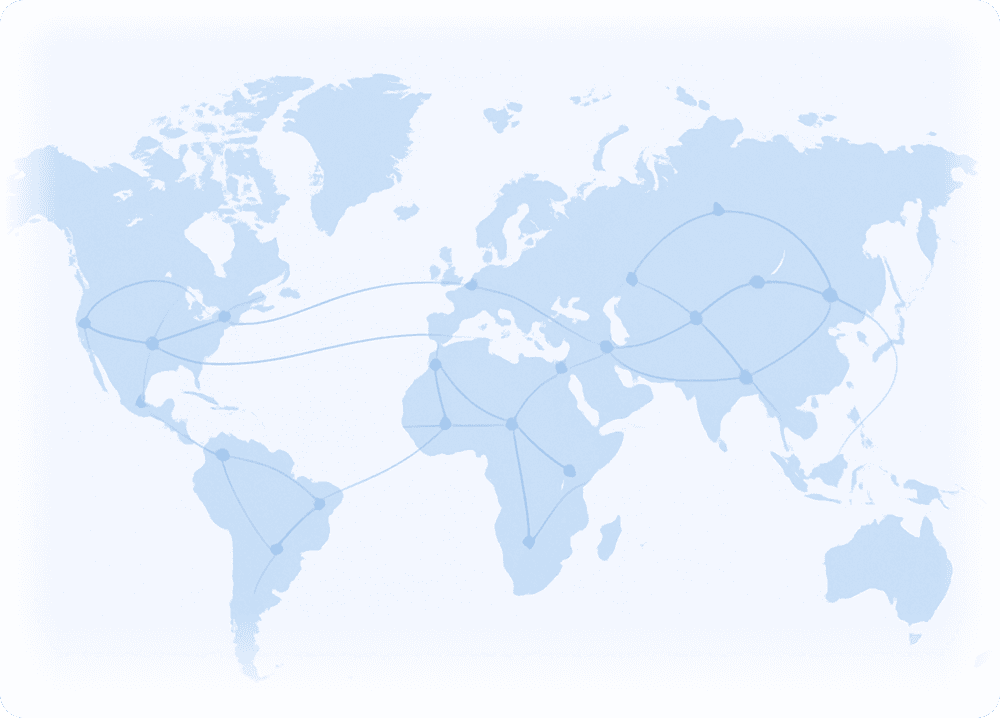
SWIFT explained for International Transfers
SWIFT (Society for Worldwide Interbank Financial Telecommunication) is the secure global network that banks use to exchange payment instructions for international transfers.
A SWIFT code is a unique identifier for a bank abroad. It tells the global banking system where your money should go when sending funds overseas.
Simple analogy:
IFSC is used for transfers within India. SWIFT is used for transfers outside India. If your SWIFT is correct, the money moves faster and reaches the correct foreign bank. If it's wrong, the transfer may be delayed, rejected, or returned.
Where do you find your SWIFT code?
To send money abroad, ask the recipient to share their bank’s SWIFT code.They can find it easily in:
Tip: In many countries, one SWIFT code is used for all branches.The recipient must confirm the correct code before you initiate the transfer.

Structure of SWIFT Code
SWIFT Code Format
- Bank Code:The first 4 characters represent the bank code identifying the bank.
- Country Code:The next 2 characters indicate the country code, representing the bank’s location.
- Location Code:The following 2 characters denote the location code, specifying either the head office or a branch of that bank.
- Branch Code:Optionally, there can be a 3 characters for a branch code, which further identifies a branch within that particular bank (though not always used).
The big confusion
IBAN | SWIFT | Routing no/ ACH | BSB | Sort code
Cross-border payments involve region-specific bank identifiers. Understanding the difference prevents transaction failures:


Experience borderless finance with a single platform built for cost-efficient international transfers.
Enjoy bank-beating FX rates, transparent fees, real-time tracking, and secure payment rails compliant with global standards.



Frequently Asked Questions
What is a SWIFT code?
A SWIFT code is an international bank identifier used to route money between banks across countries. It tells the system exactly which bank and branch should receive the transfer.
Why do banks use SWIFT codes?
Banks use SWIFT codes to securely identify each other. This ensures the money is sent to the right bank, in the right country, without confusion.
How do I find my bank’s SWIFT code?
You can find your bank’s SWIFT code on your bank statement → the bank’s official website → your net-banking or mobile app → customer support → or by simply searching for it on Google.
Is SWIFT code the same as IFSC?
No, IFSC is used exclusively for domestic payments within India, while SWIFT is used for international transfers. They are not interchangeable.
Can I send money internationally without a SWIFT code?
In most cases, no. Banks need a SWIFT code to know where the money should go. Some countries use IBAN along with SWIFT, but SWIFT is still required.
What happens if I enter the wrong SWIFT code?
Entering the wrong SWIFT code can lead to transfer rejection, delays, refunds, additional charges, and banks will not process an international transfer sent to an incorrect identifier.
Are SWIFT codes required for all international transfers from India?
Yes. For almost all outward remittances under LRS, including tuition fees, living expenses, and personal transfers, the SWIFT code is mandatory.
Which banks in India have SWIFT codes?
All major Indian banks have SWIFT codes, including SBI, HDFC Bank, ICICI Bank, Axis Bank, Kotak Bank, Bank of Baroda, PNB, Canara Bank, and more. Many banks have branch-specific SWIFT codes.
How long is a SWIFT code?
A SWIFT code is either 8 characters when identifying the bank or 11 characters when identifying a specific bank branch.
Is a SWIFT code needed for education fee transfers abroad?
Yes. To send money to universities, colleges, or banks abroad for education purposes, you must provide the beneficiary’s SWIFT code.
Is SWIFT code branch-specific?
Sometimes large banks may use one general SWIFT code or multiple branch-specific SWIFT codes, so it’s always safest to confirm directly with your bank or university.
Can one bank have multiple SWIFT codes?
Yes. Banks with many international desks or branches often use multiple SWIFT codes for different cities or departments.
Do all countries use SWIFT codes?
Almost all countries use SWIFT codes for cross-border transfers. Some countries use IBAN + SWIFT together (e.g., Europe), but SWIFT remains the global standard.
Is SWIFT code required for receiving money in India?
Yes. If someone is sending money from abroad to your Indian bank account, your bank’s SWIFT code is required.
How much time does a SWIFT transfer take?
A SWIFT transfer usually takes 1 to 3 business days on average. It can be faster or slower depending on time zones, bank cut-offs, and intermediaries.
